
Choosing canvas just for its looks? Think twice.
Pick the wrong fabric, and you’re not just wasting money—you’re being wasteful. As a bag factory that’s been in the game for years, we help clients pick the right materials every single day. Today, we’re sharing everything we know so you can make the right call. 🔍
Why Fabric Matters More Than You Think
Your canvas bag isn’t just a bag—it’s your style, your brand, your values. But here’s the thing most people don’t realize: the soul of a canvas bag is the fabric itself.
It determines how the bag feels, how long it lasts, whether it’s actually eco-friendly, and how it holds up in daily life.
Over the years, we’ve seen it all at our factory: prints peeling after one wash, bags shrinking to half their size, straps snapping under weight. Don’t let that happen to you.
Chapter 1: Canvas 101
What Even Is Canvas?
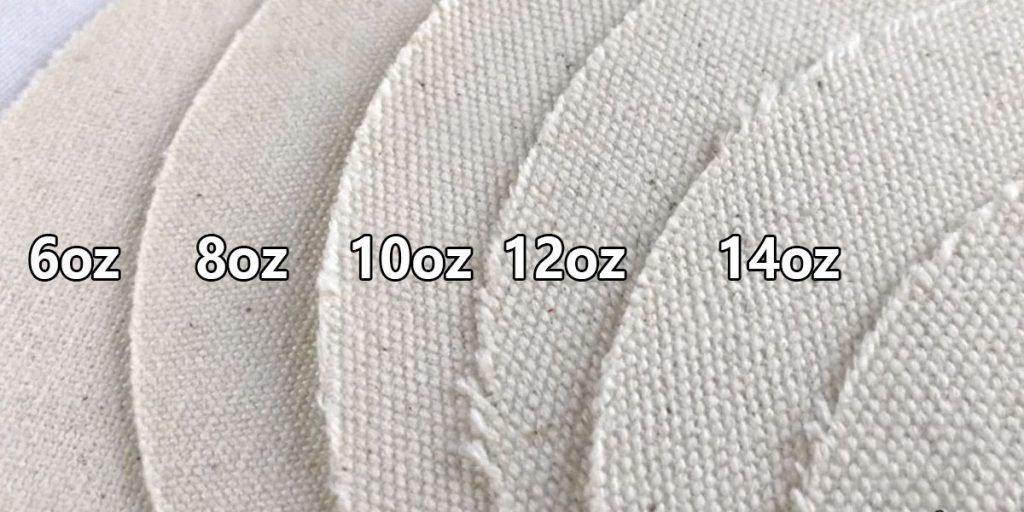
Canvas is a tightly woven fabric originally used for ship sails (hence the name). Today, most canvas bags are made from cotton canvas or blended canvas. Different weaves, weights, and finishes create completely different vibes and performance.
Key Terms You’ll Hear
| Term | What It Means |
|---|---|
| GSM (g/m²) | Grams per square meter—basically, how thick and sturdy the fabric is. Higher GSM = heavier duty. |
| Yarn Count | How fine the threads are. Higher count = finer, softer fabric (but maybe less durable). |
| Thread Density | How many threads per inch. Higher density = tighter, stronger fabric. |
Chapter 2: The Best & Worst Fabrics of 2026 🔥
🌱 For the Eco-Conscious
❶ Recycled Ocean Plastic Canvas
♻️ 8 plastic bottles = 1 square meter of fabric. Plastic waste gets turned into fiber, then woven into canvas.
✅ Why It’s Great:
Seriously eco-friendly—keeps plastic out of oceans
30% more tear-resistant than regular cotton canvas
Can be GRS-certified for legit green cred
⚠️ Watch Out For:
Cheap versions can be uneven and look, well, cheap
Pro tip: stick to 300gsm or higher for that premium feel
🎯 Perfect For: Eco merch, collabs with sustainable brands, corporate gifts with a conscience
❷ Coffee Ground Blended Canvas
☕ Contains about 5% coffee ground particles—naturally抗菌 (antibacterial) and odor-eating.
✅ Why It’s Great:
Subtle coffee scent (lasts about 50 washes)
Wicks moisture like a dream
Turns waste into something useful
💡 Fun Fact: Those tiny coffee particles actually trap odors. Great for gym kits or diaper bags.
⚠️ Heads Up: The antibacterial effect fades after 50 washes. Works best as lining fabric.
🎯 Perfect For: Gym bags, diaper bags, pet accessories
🌿 For the “I Want Something Different” Crowd
❶ Linen Canvas
🌾 Linen fibers are hollow—they absorb and release moisture 3x better than cotton.
✅ Why It’s Great:
Stays cool against your skin, even on hot days
Naturally抗菌 and dust-mite resistant
Gets softer and better with age
❌ The Trade-Offs:
Wrinkles easily (part of its charm, honestly)
Shrinks about 5% after washing—order a size up
Costs 30-50% more than cotton canvas
💡 Design Vibe: Linen + natural dye = peak woodland aesthetic.
🎯 Perfect For: Artisan markets, bookstore merch, organic food branding
❷ Abaca (Banana Fiber) Canvas
🌴 Made from banana tree stalks—this stuff is tough as leather!
✅ Why It’s Great:
100% biodegradable
Holds its shape like a champ
Aged finish = instant vintage vibe
⚠️ Warning:
Costs about 3x more than regular cotton canvas
Pretty stiff—not great for bags worn against skin
💰 Perfect For: Premium brands, designer collabs, structured totes
❸ Organic Cotton Canvas
🌿 Grown without synthetic pesticides or fertilizers. GOTS-certified.
✅ Why It’s Great:
Gentle on sensitive skin
Good for the soil and farmers
Softer than regular cotton canvas
⚠️ Note: Colors tend to be natural/undyed. And yes, it costs more.
🎯 Perfect For: Baby products, high-end skincare packaging
❹ Hemp Canvas
🌿 Hemp is one of the strongest natural fibers on the planet.
✅ Why It’s Great:
4x stronger than cotton—this bag will outlive you
Naturally UV-resistant
Grows with minimal water and no pesticides
⚠️ The Catch: Can feel rough. Often blended with other fibers for softness.
🎯 Perfect For: Outdoor gear, tool bags, military-inspired designs
⚠️ Fabric Fails to Avoid (Seriously, Don’t)
❌ Cheap Polyester “Canvas”
Looks like canvas. Feels like plastic. 100% polyester.
🚫 Why It’s Terrible:
Zero breathability—your back will sweat
Melts if it meets fire (like, actually melts)
Feels cheap because it is cheap
💡 The Test: Burn a thread. Polyester melts into hard beads and smells like plastic.
❌ Uncertified Recycled Cotton
Some brands say “eco-friendly recycled cotton” with no certification (like OEKO-TEX or GRS).
🚫 The Risk:
Could contain heavy metals, formaldehyde, etc.
Short fibers = weak fabric that falls apart
Colors bleed, fade unevenly
✅ Non-Negotiable: Always ask for OEKO-TEX Standard 100 certification. It means it’s safe.
❌ Over-Coated Canvas
Cheap base fabric + thick PVC/PU coating = “premium” look that’s actually trash.
🚫 Why It’s Bad:
Zero breathability
Coating cracks and peels over time
Not biodegradable
Feels like plastic (because it basically is)
Chapter 3: The GSM Formula 📊
How to Pick the Right Weight
Ideal GSM = (Weight you’ll carry in kg × 200) + 50
Example:
✅ Carrying 3kg → 3×200+50 = 650gsm (perfect for daily commute)
✅ Carrying 5kg → 5×200+50 = 1050gsm (get a reinforced bottom)
✅ Carrying 8kg of books → 1600gsm+ (basically armor)
Quick GSM Guide
GSM Range Feel Carry Capacity Best For 80-150g Light & soft 1-2kg Gift bags, liners 200-300g Structured but light 3-4kg Shopping bags, promos 400-600g Thick & sturdy 5-7kg Daily totes, diaper bags 800g+ Solid as a rock 8kg+ Tool bags, outdoor gear 💡 Factory Secret: Same GSM, but basket weave is stronger than plain weave. We’ve got samples.
Chapter 4: How to Spot Quality in 3 Seconds 🔍
❶ The Burn Test
Snip a thread. Light it.
✅ Cotton/natural fibers → Burns to fine ash, smells like burnt hair
❌ Polyester blend → Melts into hard beads, smells like plastic
❷ The Light Test
Hold fabric up to bright light.
✅ Good canvas → Even, shadowy glow
❌ Cheap canvas → Uneven, bright spots where it’s thin
❸ The Scratch Test
Run your nail across the surface.
✅ Good canvas → No white mark, fibers bounce back
❌ Cheap canvas → Leaves a white line (damaged coating/fibers)
❹ The Feel Test
✅ Good cotton canvas → Soft but has structure
❌ Cheap blend → Slippery or unnaturally stiff
❺ The Smell Test
✅ Certified fabric → No smell
❌ Cheap dye job → Chemical stink
Chapter 5: Your Cheat Sheet to Eco-Certifications 📜
| Logo | What It Means | When You Need It |
|---|---|---|
| OEKO-TEX Standard 100 | No harmful chemicals | Always—it’s the baseline |
| GRS | Recycled content + ethical supply chain | For recycled materials |
| GOTS | Organic + ethical + eco-friendly production | For organic cotton |
| BCI | Supports sustainable cotton farming | Regular cotton products |
| C2C | Circular design—biodegradable or infinitely recyclable | High-end eco products |
💡 From Our Factory Floor: If you’re exporting or building a brand, OEKO-TEX is non-negotiable. We source from certified mills and can provide docs.
Chapter 6: 5 Things We Wish Every Client Knew Before Ordering
1. Think About How It’ll Actually Be Used
Light shopping → 300gsm, keep it light
Laptop commute → 600gsm+, reinforced bottom
Brand giveaway → 200-250gsm, balance quality and budget
Premium retail → Linen or organic cotton, let the material do the talking
2. Always. Get. A. Sample.
Different fabrics print differently:
Cotton canvas: Absorbs ink well, colors are soft
Cotton-poly blend: Colors pop, but ink may bleed
Dark fabric: Needs a white underbase (costs more)
We always do samples first. So should you.
3. Post-Processing Matters
Pre-shrunk? (So it doesn’t shrink on your customer)
Heat-set? (Holds shape)
Water-resistant coating? (Functional but less breathable)
4. Thread Choice Is a Thing
Cotton thread: Natural look, less strong
Polyester thread: Strong, but melts with high heat
Our rule: Polyester for load-bearing seams, cotton for visible stitching
5. Budget Breakdown (Roughly)
Fabric: 50-60%
Printing/embroidery: 20-30%
Hardware (straps, zippers, buckles): 10-20%
Don’t cheap out on fabric. Your brand deserves better.
Chapter 7: What We Can Do for You at momocolor
We’re not just fabric nerds—we’re your full-service production partner.
Here’s What We Offer:
✅ 300+ Canvas Options: Regular cotton, organic, recycled polyester, linen, hemp—you name it
✅ Small Batches Welcome: 100 pieces minimum—test the market without breaking the bank
✅ Expert Material Guidance: We’ll help you pick what works for your budget and use case
✅ Free Sampling: Confirm the feel, color, and print before committing
✅ End-to-End QC: From cutting to stitching, we check everything
✅ Certification Support: OEKO-TEX, GRS docs available on request
Why Work With Us:
We’re the source: Own workshop + sample room—no middlemen
We’ve done this before: 100+ brands served
We deliver on time: Standardized = reliable lead times
We stand behind our work: Quality issues? We make it right.
How to Make Your Canvas Bag Last
✅ Washing:
Natural canvas: Machine washable, but don’t soak
Cold water + mild detergent. No bleach.
Air dry. Keep out of direct sun.
✅ Stain Removal:
Spot clean with soft brush + detergent
Grease stains? Dish soap works wonders.
✅ Storage:
Clean and dry before storing
Toss in a cedar ball (natural fibers attract bugs)
⚠️ Proceed With Caution:
Coated canvas? Wipe only. No machine wash.
Linen? Wrinkles are inevitable. Iron while damp.
Bottom Line: Your Golden Rules for Custom Canvas
Match weight to use case. Don’t overdo it.
Look for legit certifications. Good for the planet, good for your brand.
Test before you commit. Burn it, scratch it, hold it to the light.
Work with people who know their stuff. From fabric to final stitch.
Ready to bring your design to life? Let’s talk. 👇
📩 Email:
🌐 Web: https://www.momocolor.com/