
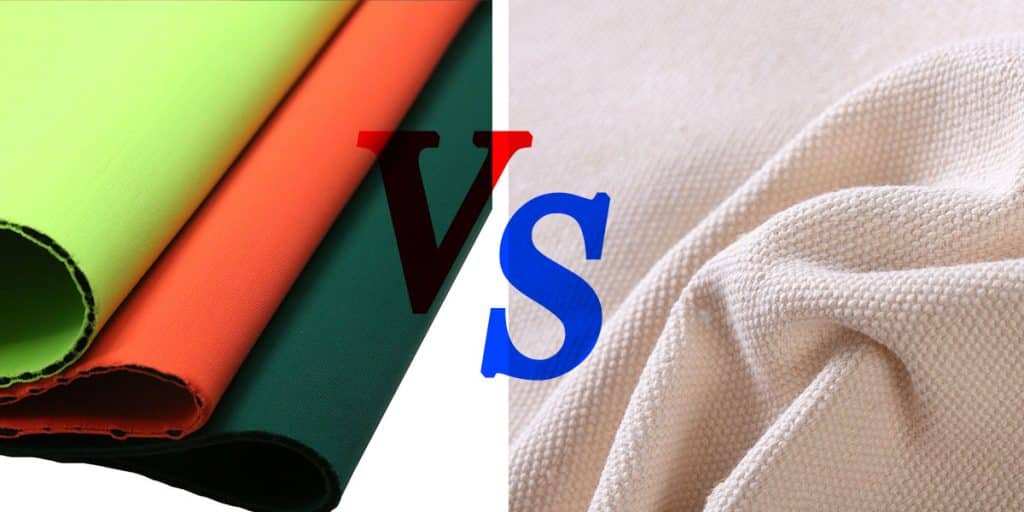
If you’re currently deciding on materials for your 2026 tote bag line, allow me to congratulate you – you’ve already entered the thoughtful designer’s zone. Because anyone who truly understands bags knows this: silhouette catches the eye, but material earns the trust.
Today, no vague talk. Just facts, touch, durability, and real-life scenarios. Let’s put neoprene and canvas on the scale – and help you make a choice you won’t regret.
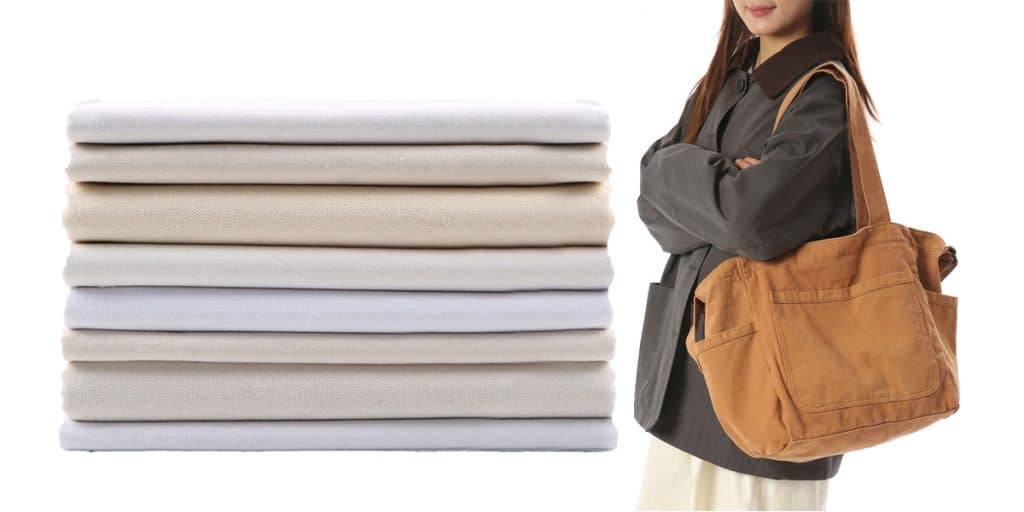
First, canvas: a classic for a reason
Canvas – especially heavy cotton canvas (12oz to 24oz) – is practically synonymous with the tote bag. Its strengths are straightforward:
- Excellent structure: A good-quality canvas stands up on its own, even without lining. It won’t collapse into a sad heap on the floor.
- Wear and tear resistant: Keys, laptops, sharp corners of notebooks – daily hard objects rarely leave a mark.
- Eco-friendly appeal: 100% natural cotton fibres are biodegradable, aligning with the growing sustainable mindset we expect to see in 2026.
- Ageing beautifully: Like denim, canvas softens, fades, and develops character over time.
But the downsides are equally clear: heavy, vulnerable to water, easily stained. Even with water-repellent treatments (wax or coatings), prolonged rain can lead to mildew, stiffness, and stubborn watermarks. Washing is tricky – machine washing may distort the shape, while hand washing is labour-intensive.
Best for: daily commutes, weekend market trips, minimalist designs that demand a crisp silhouette.
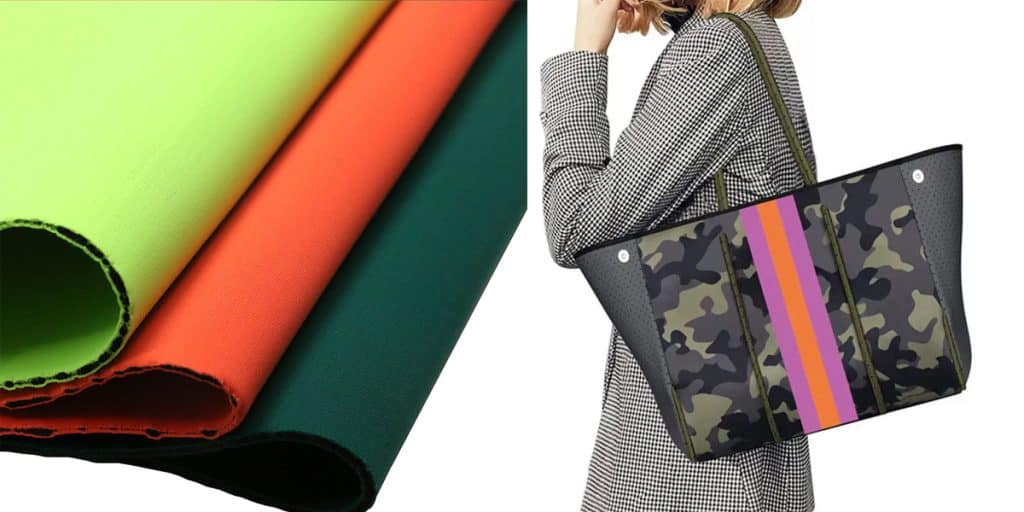
Now, neoprene: the unexpected contender
Neoprene – the material used for wetsuits – has moved from sports accessories into the world of tote bags in recent years. Its rise is no accident:
- Remarkably lightweight: For the same volume, a neoprene tote is 40–50% lighter than a canvas one. For anyone carrying a laptop, water bottle, and makeup pouch every day, that’s a real reduction in fatigue.
- Naturally waterproof: Not just water-resistant – genuinely waterproof. Raindrops bead up and roll off. The contents stay dry. And it doesn’t absorb moisture – just shake it off.
- Soft yet resilient: Unlike the rigid feel of canvas, neoprene is soft but holds its shape. When empty, you can roll it up and tuck it away. When filled, it moulds gently against your body.
- Incredibly easy to care for: Throw it in the washing machine – cold, gentle cycle – and it comes out like new. No pilling, no fading, no distortion.
Drawbacks? Two worth noting. First, stylistic limitations: neoprene naturally leans sporty and casual. It struggles to achieve the crisp, heritage, or romantic look that canvas masters so well. Second, breathability is average – though that hardly matters for a tote bag.
Best for: gym bags, diaper bags, student backpacks, rainy-day commutes, lightweight travel.
At a glance: canvas vs. neoprene (2026 edition)
| Aspect | Canvas | Neoprene |
|---|---|---|
| Weight | Quite heavy | Extremely light |
| Structure | High (stands up firmly) | Medium (soft but supportive) |
| Water resistance | Poor (unless waxed) | Excellent |
| Stain resistance & cleaning | Hard to clean, marks remain | Machine-washable, dries quickly |
| Style vibe | Heritage, rustic, minimalist | Active, casual, functional |
| Eco credentials | Natural cotton, biodegradable | Synthetic rubber, not biodegradable |
| Price range | Mid-range (good canvas isn’t cheap) | Mid to high |
So which one should you choose for 2026?
My honest advice: don’t think of it as “either/or”. Think about who your customer is.
If your audience is people who appreciate a relaxed, cultured lifestyle – browsing galleries, reading in coffee shops, valuing a bag’s architecture – then canvas is a safe and correct choice. Go for organic cotton canvas of at least 16oz, invest in an eco-certification, and state clearly on the label: “This bag will accompany you for ten years.”
If your customer is the urban doer – cycling to work, managing children, travelling frequently, despising bag maintenance – then neoprene will surprise them with a feeling of “finally, someone gets me”. Choose 4–5mm double-faced neoprene, bind the edges neatly, and use muted, neutral colours to tone down the sporty look.
There’s also a clever third path: mix them. Use neoprene for the main body (lightweight, waterproof) and canvas for the base and handles (structure, extra abrasion resistance). Material contrasts are a growing theme in 2026 accessory design anyway.
One honest closing thought
No material is universally “better”. Only “better for your specific use case”. I’ve seen beautiful, heavy canvas turned into ugly, clumsy bags – and cheap neoprene turned into shapeless, sagging disappointments.
A truly good tote bag is one where the material serves your life – not the other way around.
Choose canvas, and accept that it will age, stain, and collect stories.
Choose neoprene, and embrace its lightness, its waterproofness, and its worry-free maintenance.
As for 2026? I lean towards neoprene – not because it’s superior, but because it fits the way people actually live today: mobile, fluid, needing adaptability. Canvas will quietly wait in its own corner, for those who still prefer to slow down.
Both materials deserve to be done right.
If you’re planning your spring/summer 2026 collection, why not order samples of both? Carry them for a day. Let them get caught in the rain. The material will speak for itself.