
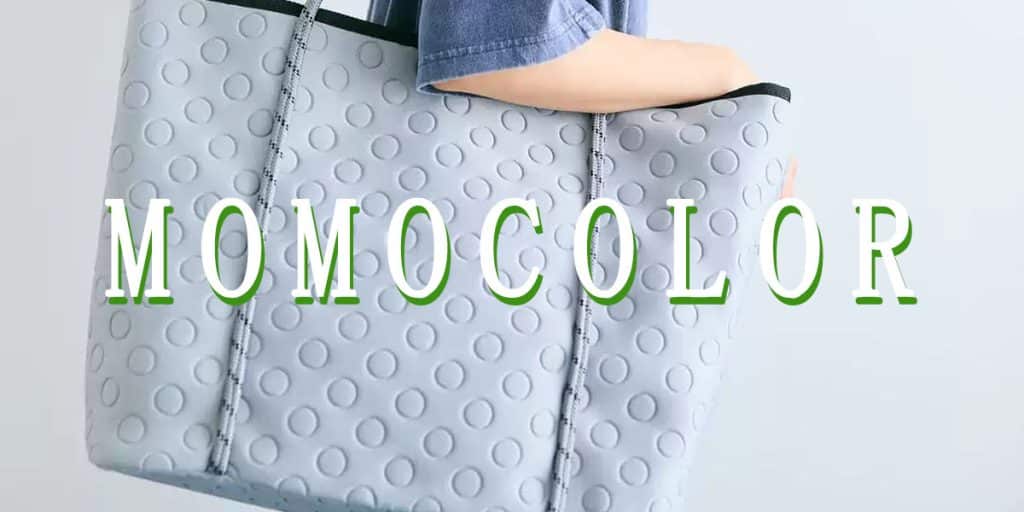
If you’re sourcing bags for the North American or European market, you’ve probably noticed a clear trend: neoprene is no longer just for wetsuits or laptop sleeves. It’s quietly taken over the diaper bag and active lifestyle tote category.
And it’s not a marketing gimmick. For a factory that has been producing neoprene bags for over 10 years, here is the real reason brands keep switching to this material — and why you should consider it for your next collection.
1. It handles the two biggest killers of ordinary bags: water and stains
A diaper bag gets put on wet changing tables, left on damp car floors, and often ends up sitting next to a spilled water bottle. A gym tote carries damp towels, leaky shampoo bottles, and sweaty clothes.
With ordinary polyester or cotton canvas, that’s a disaster waiting to happen. Moisture seeps in, stains set, and the bag starts to smell within weeks.
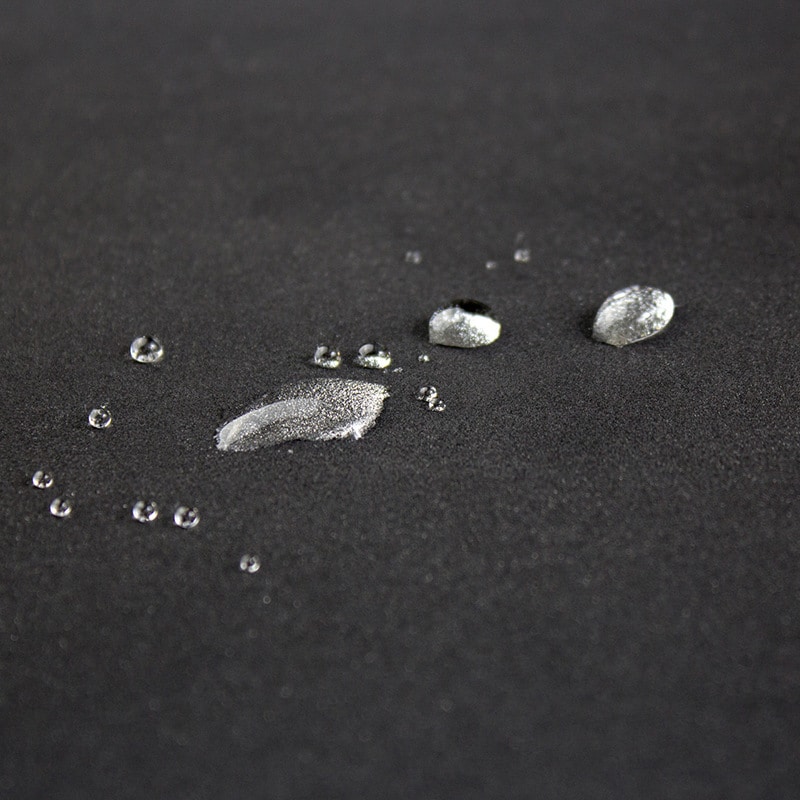
Neoprene, on the other hand, is naturally waterproof. Not coated, not laminated — the material itself is closed-cell rubber foam. Water can’t get in. Spills bead up and wipe off. Even a full bottle of juice leaking inside won’t soak through the bag.
For buyers, that means fewer returns and complaints about damaged linings or mildew smells. For you, that means a more reliable product with less warranty hassle.
2. It protects what’s inside without adding bulk
What all diaper bags and totes carry is the same: fragile, expensive, and often irreplaceable items. A phone, a tablet, a pair of sunglasses, a bottle of formula.
Neoprene is naturally shock-absorbent. It’s the same material used for laptop sleeves and wetsuits because it cushions impact without needing thick foam padding.
That saves you two things: weight and construction cost. You don’t need to add separate padded compartments — the material itself does the job. And because neoprene is lightweight (about 30–40% lighter than canvas of similar thickness), shipping costs are lower for your buyers too.
3. It looks premium but hides wear better than nylon
Here is a hard truth: nylon and polyester bags show every single scratch, scuff, and dirty fingerprint. After a few months of daily use, they look faded and tired.
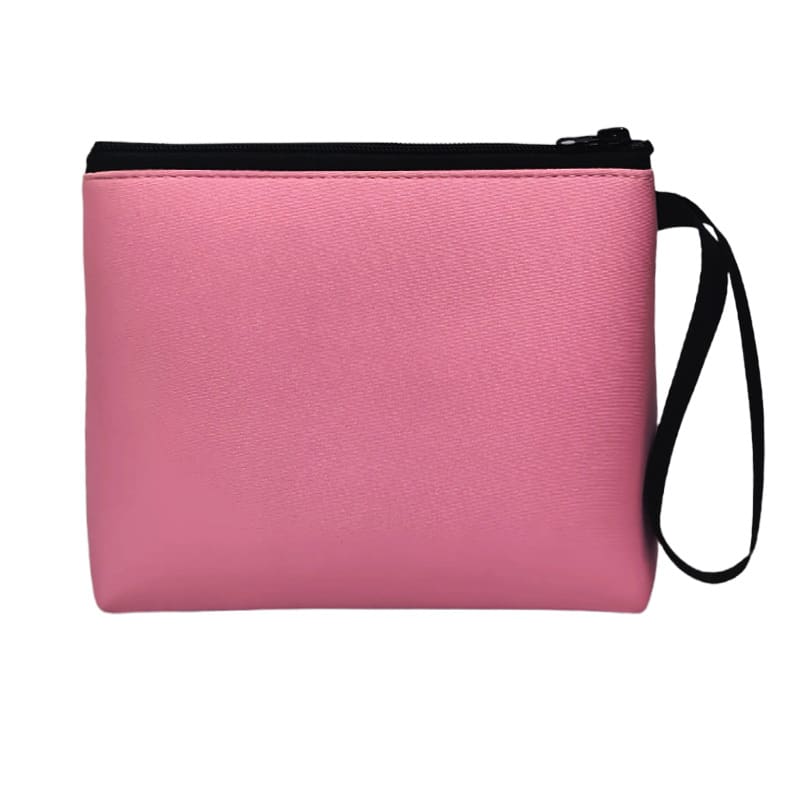
Neoprene has a matte, soft-touch finish that doesn’t reflect light the same way. Small scuffs don’t stand out. Dirt doesn’t cling the same way either — a quick wipe with a damp cloth restores it to almost new.
And from a branding perspective, neoprene offers something rare: a visual differentiator. When a customer sees a neoprene bag, they don’t mistake it for a generic polyester tote. It has a distinct texture and silhouette. That “premium but casual” look is exactly what modern millennial and Gen Z parents are paying for.
4. It handles real-world temperature extremes
This is something most factories won’t tell you: standard bag materials degrade fast in heat or cold.
- In heat: adhesives melt, lining fabric wrinkles, and colors fade.
- In cold: vinyl and PU coatings crack; zippers get stiff.
Neoprene is much more forgiving. It performs between -20°C and 80°C without significant change. That matters when your customer lives in Minnesota or Texas, or when your container sits on a truck in summer for two weeks.
For you as a supplier, that means fewer quality issues tied to climate. Your reputation stays intact.
5. It’s easier to work with than you think
Some brands avoid neoprene because they assume it’s hard to sew or finish. That’s not true — but only if your factory knows how to handle it.
Here are the actual technical requirements we’ve learned from producing over 200,000 neoprene bags:
- Use a walking-foot machine with a needle size 18–20. Standard industrial machines will skip stitches.
- Bind all raw edges with lycra or nylon binding tape. Unbound neoprene will tear at the stitch line under heavy load.
- For logos, embossed PVC patches or silicone labels work better than screen printing. Printed neoprene fades within months.
- Choose thickness wisely: 3mm is good for small totes and light diaper bags. 5mm feels noticeably more premium and holds structure better for larger totes.
If your current factory has never worked with neoprene, expect a learning curve. We’ve already made those mistakes — so you don’t have to.
6. The cost math works in your favor
Neoprene costs more than basic 600D polyester — roughly 1.5x to 2x per yard. But you have to look at the total package.
Because neoprene is waterproof, you can skip the inner PVC lining many cheaper bags rely on. Because it’s padded, you skip separate foam inserts. And because it hides wear better, your warranty and return rates drop.
When we run the numbers for clients, the final landed cost difference between a decent polyester bag and a good neoprene bag is often under $2–3 per unit. For that, you get a product that retails at a significantly higher price point and gets better reviews.
Final thought for buyers
Material trends come and go. But neoprene isn’t a trend — it actually solves real problems that parents and active people deal with every day.
If you’re launching a diaper bag line or upgrading your active tote collection, ask to see our neoprene samples. We can show you stitch quality, edge finishing options, and real wear tests from actual customer use.
And if you’ve worked with other neoprene suppliers before and had quality issues, tell us. We’ve probably fixed the same problem already.
About the author
This article is written by the production team at Momocolor. We specialize in neoprene bag manufacturing for global brands. MOQ is 500 pieces per design. Lead time: 35–45 days. Free sample available for serious buyers.