
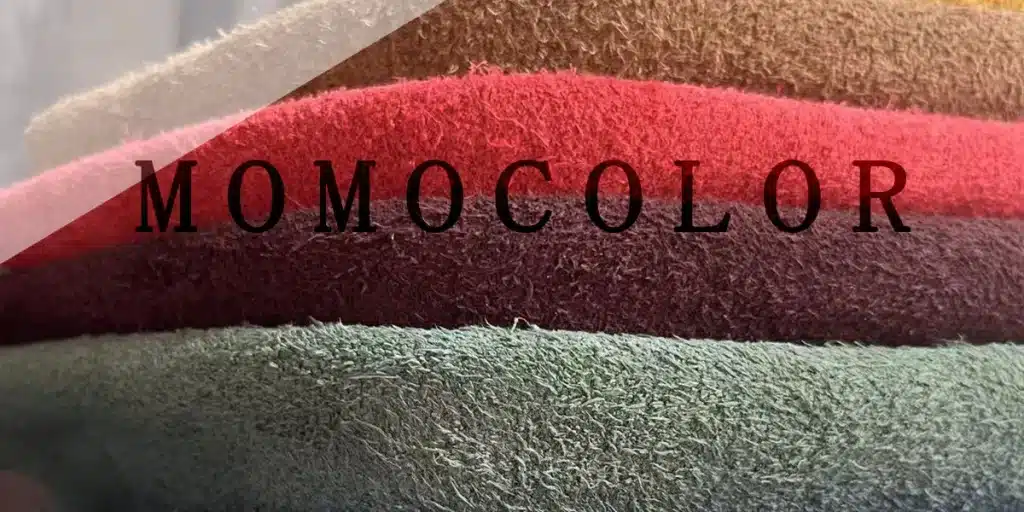
If you work in bag sourcing, product development, or run a private label line, you know the drill with seasonal fabrics. You fall for a swatch, sign off on samples… and then mass production lands with cheap-feeling material, off-color batches, or way lower sell-through than you planned.
After years of testing fall materials, chocolate brown suede is the one constant MVP we come back to every single season. Not a viral trend. Not a marketing buzzword. It just delivers — on premium feel, on sales, on production consistency. Today I’m spilling all the real B2B details: the specs you need to vet, the pitfalls to skip, and the business factors that hit your bottom line 👇
🍂 Why Chocolate Brown Suede Is Your Safest Fall Bet
① Tactile texture that justifies higher price points
Fall shoppers buy with their hands first. Good bag-grade suede has a short, uniform nap that feels soft, velvety, and substantial — nothing like the thin, plasticky feel of cheap PU alternatives.
You don’t need fancy hardware or over-the-top construction to price it at a mid-to-premium tier. That “touch-me” texture alone sets your bags apart from the sea of smooth leather and PU options on mass market shelves.
② A versatile neutral that slashes markdown risk
Bright seasonal shades spike fast… then crash hard and leave you stuck with dead inventory. Chocolate brown is a deep, earthy neutral that pairs with every fall wardrobe — from casual outerwear to office wear — and fits every marketing angle: back-to-work, weekend casual, holiday gifting.
Its matte, low-sheen finish also lines up perfectly with quiet luxury, vintage, and outdoor casual aesthetics that perform consistently across US and EU markets. For private label handbags, that means broader appeal and way less risk of end-of-season clearance fire sales.
③ Works with every silhouette = less development work
This is such a win for product development teams. Crossbodies, everyday totes, slouchy hobos, structured satchels, mini bags… chocolate brown suede nails every single core fall bag style.
One fabric carries your entire collection. No sourcing multiple materials, no repeated sampling rounds, way less trial and error cost.
🧵 4 Hard Specs to Vet Before You Order (Avoid 90% of Sourcing Fails)
Most buyers only check the color swatch. That’s how you end up with returns and production disasters. Confirm these 4 things with every suede handbag supplier upfront.
① Wear & abrasion resistance
Bags get rubbed constantly — against clothing, table edges, daily handling. Low-grade suede will develop shiny spots, nap loss, or bald patches after just a few weeks, and your return rate will skyrocket.
✅ Go for bag-grade suede with dense fiber structure and controlled surface finishing. It should hold its nap texture through repeated friction, and last the full selling season. Skip ultra-thin suede for everyday styles — it will not hold up.
② Color fastness (critical for dark suede)
Color transfer onto light clothes is the #1 customer complaint for dark suede bags. Chocolate brown hides stains better than light shades, but processing quality varies wildly between suppliers.
✅ Reputable manufacturers use vacuum dyeing and color-fixing treatments for deep, even pigment penetration. Always confirm dry and wet rub fastness meets standard industry requirements. ⚠️ Quick note: all suede will stain with heavy water exposure. Add clear care instructions to hangtags to set realistic customer expectations and cut unnecessary returns.
③ Thickness & backing = your bag’s silhouette
Pick the wrong thickness, and your bags will either flop like a rag or sew like cardboard. 0.8–1.2mm is the sweet spot for fall/winter bags:
- Thinner than 0.8mm = flimsy, no shape, looks cheap
- Thicker than 1.2mm = stiff seams, slower sewing, higher labor cost
Match backing to your bag style:
- Soft cotton backing: best for hobos, crossbodies, totes — flexible, comfortable handle feel
- High-density non-woven backing: best for structured satchels and top-handle bags — holds shape, less stretching over time
④ Batch-to-batch color consistency
Dye lot variation is the single biggest pain point in suede sourcing. Even a small difference between runs will make bags from the same order look mismatched on the shelf.
✅ Good suppliers batch raw materials and standardize dye times/temperatures for core colors like chocolate brown. ⚠️ Rule #1: always request a production dip sample from the actual dye lot before mass production. Stock swatches do NOT guarantee a match. Also confirm nap direction is consistent across all pattern cuts — suede reads lighter/darker depending on nap direction, and inconsistency looks sloppy.
💼 Real-World B2B Sourcing Factors
Material performance is only half the battle. These are the business factors that will make or break your launch timeline and margins.
Cost & MOQ flexibility
Quality suede costs a moderate premium over basic PU, but the higher perceived value almost always delivers better margins. A few things to keep in mind:
- Stock colors like chocolate brown usually have lower MOQs and faster lead times, since suppliers keep them on hand.
- Custom colors or special finishes require higher MOQs and longer sampling cycles.
- Work with your OEM/ODM handbag manufacturer to balance order size and per-unit cost — larger runs save money, but only if you can move the inventory.
Supply chain reliability
Fall production windows are tight. Material shortages = delayed launches = lost sales. Ask every supplier two questions upfront:
- Do you keep regular raw material stock for popular seasonal colors?
- What’s the reorder lead time if we sell through faster than expected?
You don’t want to land a hit style only to find out you can’t restock for 6–8 weeks.
Sampling & QC alignment
The #1 cause of production disputes is sample vs. mass production mismatch. The proper process works like this:
- Material swatch + lab dip approval
- Prototype sample made with EXACT production material + backing
- Pre-production sample sign-off
A solid custom handbag manufacturer will have formal QC checkpoints at three stages: incoming material inspection, in-line sewing checks, and final finished goods review. Never skip the pre-pro sample step. Never accept prototypes made with substitute material.
📊 Quick Comparison: 3 Suede Types for Bag Production
Here’s a side-by-side breakdown of the three most common suede types, so you can pick the right fit for your price point and line.
| Material Type | Hand Feel & Texture | Wear & Stain Performance | Batch Consistency | Best For |
|---|---|---|---|---|
| Bag-Grade Microfiber Suede | Fine, uniform nap; soft velvety feel; consistent matte finish | High abrasion resistance; strong color fastness; easy to spot-clean | Excellent; very little color variation between runs | Everyday private label bags, large OEM/ODM runs, wholesale collections |
| Genuine Leather Suede | Natural, slightly irregular nap; rich premium depth | Moderate abrasion resistance; more prone to water stains | Fair; natural texture variation is normal | High-end custom bags, designer lines, small-batch premium collections |
| Economy Synthetic Suede | Rough, uneven nap; stiff plasticky hand | Poor; prone to nap loss and rapid fading | Poor; noticeable color differences between dye lots | Low-cost seasonal test styles, one-off promotional pieces |
💡 Final Thoughts
Chocolate brown suede isn’t popular because it’s trendy. It’s popular because it’s a workhorse — it balances customer appeal, real-world durability, and production predictability better than almost any other fall fabric. For fashion brands, private label programs, wholesalers, and importers, it’s one of the lowest-risk material picks you can make for fall/winter.
If you’re developing a suede bag collection and need a reliable partner for material sourcing, prototype sampling, or full OEM/ODM production, the team at momocolor.com specializes in transparent, spec-first production for custom and private label bag lines. They walk you through every material spec, MOQ option, and QC step upfront, so you can focus on building a collection that sells.
#BagSourcing #SuedeBags #FallBags #ProductDevelopment #PrivateLabelBags #OEMBags #ODMBags #BagManufacturer #SourcingTips #FashionSourcing #CustomBags #BagIndustry