
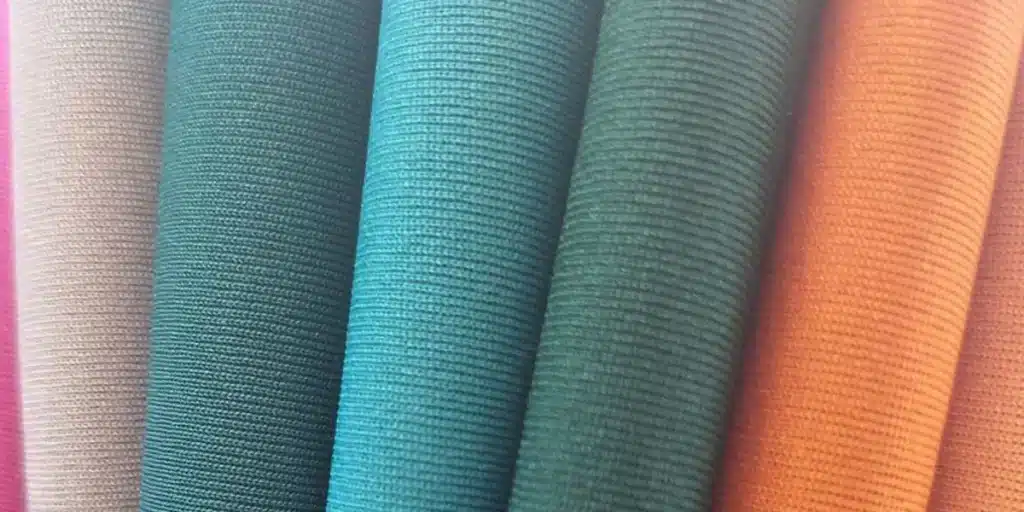
If you source custom neoprene bags for your brand, you have likely noticed huge price gaps between seemingly‑identical samples. Two neoprene totes with the same thickness, same dimension and same outward look can perform completely differently after 3‑6 months of real‑world use.
Most overseas buyers only specify “3mm neoprene” on their technical sheet, and stop there. This is the #1 root cause of quality surprises at mass production.
Neoprene material is a two‑part composite: inner rubber foam core plus outer laminated surface fabric. Both parts define durability, hand‑feel, visual appearance and final cost. From our factory floor experience making custom neoprene totes, backpacks, cosmetic pouches and sport cases, let’s walk you through every key option.
Part 1: Three Main Neoprene Foam Core Grades (SBR | SCR | CR)
The foam core is the soul of neoprene goods. Not all “neoprene” foam is created equal.
1. SBR (Styrene‑Butadiene Rubber) – Economy‑Grade Foam
SBR is the most cost‑effective foam widely used in mass‑market neoprene lifestyle bags.
- Performance: Decent cushioning, relatively firm hand‑feel. Limited rebound memory. Under long‑time compression or sun exposure, it tends to develop permanent creases, turn stiff or crack. UV and ozone resistance are weak.
- Pros: Best price point, abundant color options, works great for casual everyday items.
- Cons: Easy to form white fold marks after repeated bending; poor outdoor long‑term performance.
- Best fit: Entry‑level custom tote bags, cosmetic cases, laptop sleeves, fanny packs for indoor & daily casual use. This is the standard material for many popular private‑label neoprene collections.
2. SCR (Blended SBR + CR Rubber) – Mid‑Range All‑Rounder
SCR is a physical blend of SBR and CR chloroprene rubber. The CR percentage can vary from 15% up to 50% — higher CR content brings better performance and higher cost.
- Performance: Noticeably softer and more resilient than pure SBR. Much better fold recovery, anti‑aging and UV resistance. Creases bounce back far better after squeezing or shipping.
- Pros: Balances quality and budget; fewer permanent fold marks; suitable for products that will travel or spend time outdoors.
- Cons: Still cannot match pure‑CR performance level.
- Best fit: Mid‑range branded backpacks, premium totes, gym bags, travel cosmetic sets for retail brands wanting upgraded tactile quality without CR‑level cost jump.
3. CR (100% Chloroprene Rubber) – True Premium Neoprene
CR is the original true neoprene formula invented for water‑sport wetsuits.
- Performance: Outstanding elastic memory, soft plush touch, excellent UV, ozone and salt‑water resistance. Even after heavy squeezing, it bounces back to original shape. Resists cracking and hardening over years.
- Pros: Top‑tier durability, premium soft hand‑feel, perfect for heavy‑use outdoor gear.
- Cons: Very high raw‑material cost, roughly 2‑3× price of SBR foam.
- Best fit: High‑end outdoor sport cases, medical protective gear, luxury‑segment accessories. For most everyday lifestyle bags, pure CR is often overkill for retail price points.
Quick comparison table for foam cores
| Foam Grade | Rebound & Crease Recovery | UV / Anti‑Aging | Hand‑Feel | Relative Cost | Typical Bag Application |
|---|---|---|---|---|---|
| SBR | Fair; permanent crease risk | Poor | Firm | Low | Budget everyday tote, cosmetic bag, laptop sleeve |
| SCR | Good | Moderate‑Good | Soft & compact | Medium | Mid‑range branded backpack, travel bags |
| CR | Excellent | Excellent | Plush soft | High | Premium sport / outdoor high‑end accessories |
Important factory tip: Many suppliers simply label all foam as “Neoprene” without specifying core grade. Always write SBR / SCR (CR content %) / CR clearly on your specification sheet and purchase order to avoid substitution risks.
Part 2: Surface Lamination Fabrics & Surface Finishes
Raw rubber foam cannot be sewn directly. Knit fabric is heat‑bonded (laminated) onto one or both sides of foam core. Same rubber foam can deliver totally different final bags, depending on your surface fabric choice.
1. Polyester Jersey (Most popular for lifestyle neoprene bags)
Polyester is our top pick for most custom fashion neoprene collections.
- Pros: Great color fastness, resists sunlight fading; supports dye‑sublimation full‑color printing; good abrasion performance. Matte‑finished polyester delivers that modern soft‑touch premium look many western retail brands prefer.
- Cons: Less stretch than nylon fabric.
- Use case: Tote bags, backpacks, cosmetic pouches, laptop sleeves, fanny packs — covers 90% of modern private‑label neoprene bag projects.
2. Nylon Jersey
Traditional lamination fabric for wetsuits and protective gear.
- Pros: Superb stretch, silky skin‑friendly touch, high tear‑resistance.
- Cons: Inferior UV color fastness; NOT compatible with dye‑sublimation printing (only screen print works). Higher material cost vs polyester.
- Use case: Sport protective accessories, inner lining layers; less common for outer shell of fashion bags.
3. OK Loop Fabric
Surface with dense short loops that accept hook‑side velcro directly.
- Pros: No extra velcro tape needed for adjustable fastening.
- Cons: Not suitable for fashion‑oriented bags.
- Use case: Sports braces, protective gear; rarely applied to handbags.
4. Smooth Skin (Bare rubber skin, no knit fabric lamination)
No outer textile layer; rubber surface receives special coating treatment.
- Pros: Maximum water‑repellent performance.
- Cons: Easy to scratch; difficult for sewing operations.
- Use case: Diving wetsuits; almost never used for general‑purpose bags.
Part3: Popular Surface Treatment Finishes
Even with identical base fabric, surface finishing changes your final product look & feel significantly.
- Matte Soft‑Touch Finish The dominant aesthetic for current EU & US lifestyle bag brands. Light‑eliminating treatment creates low‑gloss, sophisticated non‑reflective surface. Hides minor scratches well. Minor downside: matte surface can attract fine lint in dry environments.
- Gloss / Shiny Finish High‑gloss reflective surface. More popular several years ago; now less requested for modern retail collections.
- Brushed / Sanded Finish Light surface sanding creates velvety soft touch. Risk: lower abrasion resistance, easier pilling.
Part4: Inner Lining for Neoprene Bags
For nearly all neoprene handbag projects, we laminate thin plain polyester fabric as interior lining. It prevents rubber debris shedding, stabilizes sewing performance and matches exterior color tone for clean brand presentation.
Real‑World Sourcing Advice From Our Factory Floor
- Never only write “3mm neoprene” in your spec. Complete material example you can copy‑paste:
“Material: 3 mm SBR neoprene foam core, double‑side laminated matte soft‑touch polyester jersey fabric, polyester interior lining.”
- SBR foam naturally shows white fold lines under sharp bending. If your brand cannot accept fold whitening, upgrade your specification to SCR blended foam.
- Polyester supports sublimation printing; choose screen printing if you select nylon outer fabric.
- Always lock physical pre‑production sample before bulk order, confirming foam grade, fabric texture and surface finish. Word‑only descriptions can be interpreted differently across supply‑chain partners.
Wrapping Up
Neoprene is versatile material, but performance gap between different foam cores and surface fabrics is huge. The best option is not always “the most expensive material”. Match your foam grade and lamination fabric to your target retail price point, end‑user usage scenarios and brand positioning.
If you are developing custom neoprene bag lines (totes, backpacks, cosmetic cases, laptop sleeves or sport accessories), feel free to reach out for material consultation and sampling support.